Moreno Valley's Fall Calendar Is Built for Leaving, Not Staying
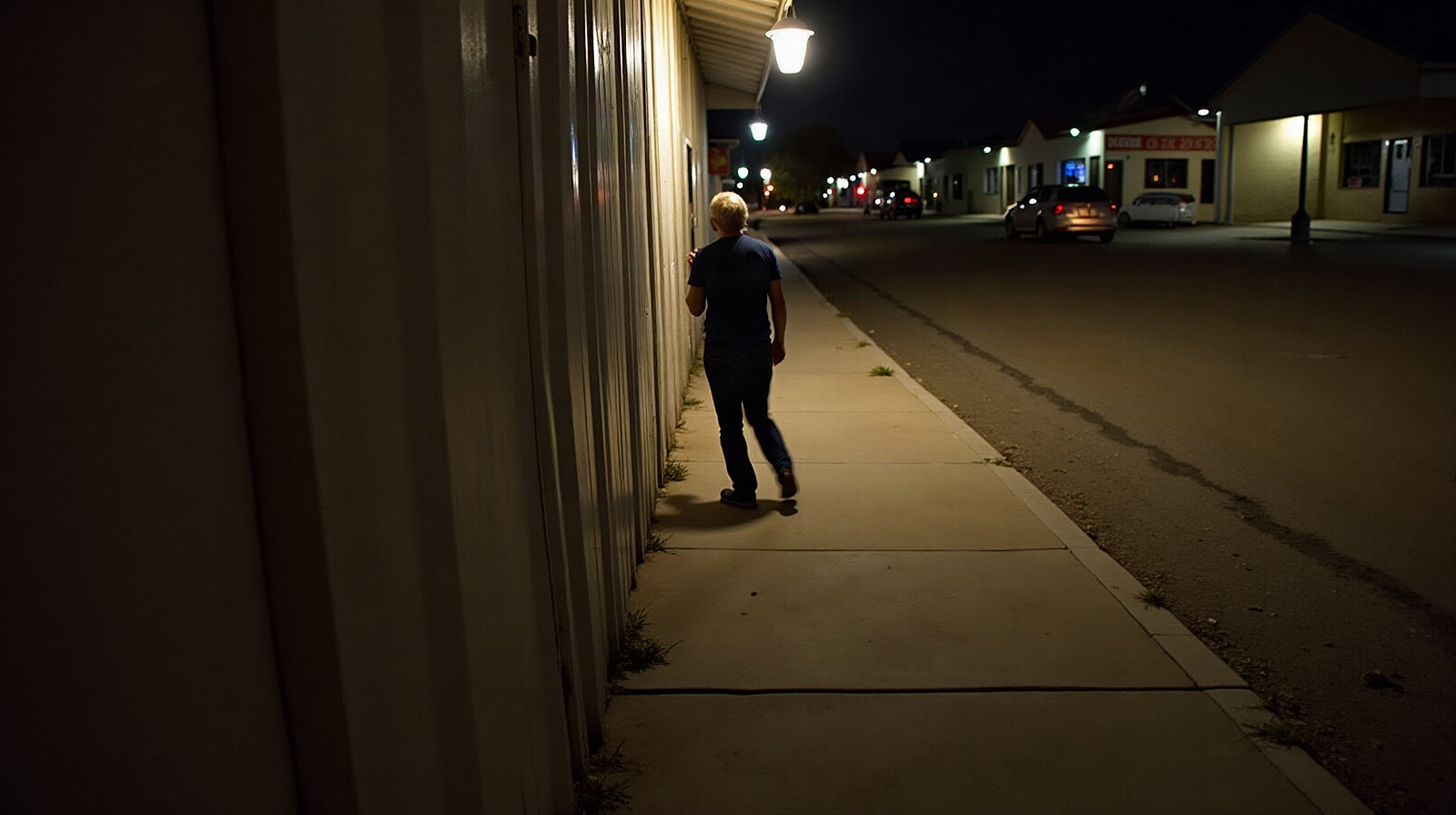
Look closely at what the city's cultural calendar offers this month and a pattern emerges that has nothing to do with community pride, hometown flavor, or civic ritual. Instead it is escape, insistently and repeatedly, dressed up as a night out.
Consider the evidence. A band called The Escapers headlines a bill with Jackie Mendez. Two family film nights screen Matilda and James and the Giant Peach, stories in which children flee cruel households through sheer force of imagination, one riding a giant piece of fruit across an ocean, the other discovering telekinetic revenge against tyrannical guardians. Motown Night promises dancing under lights borrowed from a Detroit sound six decades old and two thousand miles away. NFL Sundays and the now-weekly football broadcasts put screens in front of residents so they can watch other cities' teams, in other cities' stadiums, compete for other cities' pride. Even the yoga and tai chi sessions, gentle as they are, function as instructions in how to leave one's own head for an hour.
None of this is sinister. Escapism is not a civic crime, and a city offering its residents bingo cards, dance floors, and outdoor cinema is doing something generous with its evenings. But taken together, the calendar reads less like a menu of community engagement and more like a controlled program of departure. The question worth asking is why a city's leisure culture would organize itself so thoroughly around leaving, even while everyone in the room stays put.
Part of the answer is structural. Moreno Valley's civic identity has been unsettled for years by rapid logistics-driven growth, warehouse footprints expanding faster than the parks and gathering spaces meant to counterbalance them. When a city's physical fabric is dominated by distribution centers and traffic corridors rather than plazas, main streets, or waterfronts, its residents don't stop wanting communal life. They simply relocate it, imaginatively, somewhere else. A screen showing a football game played a thousand miles away becomes a stand-in for the stadium the city doesn't have. A dance floor playing Motown standards becomes a stand-in for the music scene the city hasn't built its own version of. The programming isn't failing to engage with place. It's compensating for a place that, in its built form, gives residents comparatively little to gather around that is distinctly, recognizably theirs.
There's a generational layer here too. The film choices are instructive: both Matilda and James and the Giant Peach are, at bottom, stories about children escaping the adults who are supposed to protect them, finding refuge in imagination because the real world offers none. Screening these films outdoors, under the stars, for the city's families frames childhood itself as something to be endured until escape becomes possible, whether through a peach, a library book, or telekinesis. It's a strange message to broadcast twice in one season, even unintentionally. Children in Moreno Valley are being shown, repeatedly, that the heroes worth admiring are the ones who get away.
None of this means the calendar is wrong to include what it includes. Bingo night, farmers market mornings, a Friday throwdown of live music and food: these are the ordinary textures of small-town life anywhere, and they matter. But ordinary textures are not neutral. They carry an argument about what a place is for. When the recurring, headline entertainment leans so heavily on other places' sounds, other cities' football, and stories about fleeing bad homes, the argument being made, unintentionally, is that Moreno Valley itself is not quite yet establish enough to entertain its own residents on its own terms. It borrows Motown. It borrows the NFL. It borrows children's literature about escape. It has not yet, in its cultural calendar, told its own story back to itself.
That's a fixable condition, not a permanent one. Cities build their own festivals, their own signature nights, their own reasons for staying rather than tuning out, but they do it slowly, and usually only after residents notice the pattern and start asking for something native to the place rather than imported into it. Moreno Valley's residents fill the bingo halls and the folding chairs in front of outdoor screens because the offerings, however borrowed, are genuinely enjoyable, and there is nothing wrong with enjoying them. But it's worth noticing, this particular September, how much of what the city calls entertainment is actually an invitation to be somewhere else for a few hours. A city that wants its residents to feel they live somewhere worth staying in, rather than somewhere worth escaping from every Friday night, might eventually want its calendar to say so.