The Diabetes Class That Really Wants to Be Your Friend
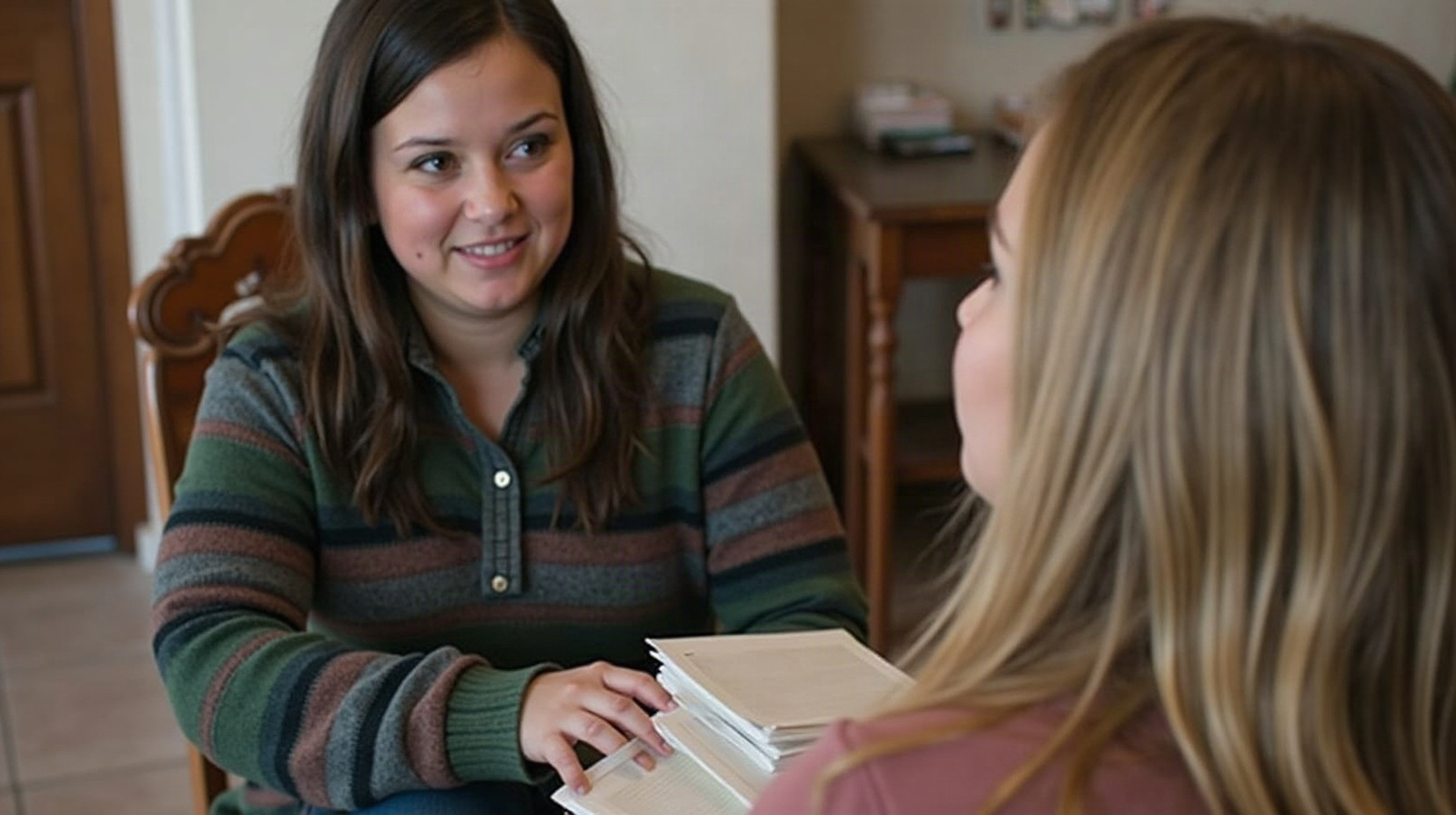
Somewhere in a marketing meeting, someone at Inland Empire Health Plan looked at a perfectly serviceable seminar on carbohydrate counting and portion control and decided it needed a warmer coat. Not “Diabetes Management Workshop.” Not “Blood Sugar 101.” Friends. Diabetes Among Friends, meeting free at IRIS Plaza, teaching the plate method: half your plate vegetables, a quarter protein, a quarter starch, and apparently a side of camaraderie you didn't order but will be served anyway.
It is a small, almost tender bit of institutional ventriloquism, this business of naming a clinical intervention as though it were a standing brunch invite. Insurance companies do not typically traffic in intimacy. Nobody calls their auto policy “Fender Benders Among Pals.” But health programs have learned something that actuaries apparently haven't: people show up for information, but they stay for belonging. A class titled “Among Friends” promises that you won't sit in a folding chair being lectured at by a laminated plate diagram alone. Someone else in the room also has to think twice about the drive-through. Misery, or at least glycemic index, loves company.
The instinct isn't cynical so much as diagnostic. It is a quiet admission that a great deal of chronic disease management fails not for lack of facts but for lack of witnesses. People know, roughly, that soda is not a food group. What they lack, often, is somebody checking in on Tuesday to ask how the Tuesday went. Research on chronic illness has said for years that people manage diabetes better with social support than with pamphlets alone, which is a very polite way of saying that shame doesn't lower blood sugar but a friend noticing you skipped dessert sometimes does.
Which raises the question of why a health plan has to manufacture that friend in the first place, why “among friends” reads as a benefit rather than a redundancy. In a town built the way Moreno Valley is built, wide arterial boulevards, subdivisions that turn their backs to the street, parking lots vast enough to have their own weather systems, there simply aren't that many places where “friend” happens by accident. Nobody bumps into a neighbor on a stoop that doesn't exist. The plaza, the piazza, the corner where old men argue about nothing in particular over coffee: these are civic furniture that sprawl quietly declined to install. So when the furniture isn't there, someone has to bring folding chairs and call it fellowship, even if the fellowship is technically billed to your health plan.
None of this makes the class a bad idea. It is, if anything, a clever workaround, health policy doing the work that urban planning left undone. If the built environment won't produce casual gathering, an insurer will simply schedule it, complete with sign-in sheet and a friendly acronym. There is something almost admirable about IEHP essentially saying: since nobody designed you a place to belong, we will design you an appointment for it instead.
But it is worth noticing what the naming reveals even as it solves for it. A class that has to advertise friendship as its feature, rather than assuming it as ambient weather, is quietly telling on the town around it. In places thick with third spaces, people find their support systems without an agenda or a plate diagram; they find it at the market, on the bench, in the pew, over the fence. Where those spaces are scarce, health systems become the substitute architecture, and disease management becomes, almost by necessity, a support group in a lab coat.
So the class will happen, useful and well-meant, teaching people to look at their plates the way a zoning map looks at a parcel: quarters and halves, allotted and rationed. And people will indeed make friends there, actual ones, the kind who text to ask if you went for a walk. That part isn't false advertising. It's just a strange loop worth sitting with: that in Moreno Valley, the surest standing invitation to gather with your neighbors might currently be filed under a line item about insulin, because nobody built a plaza for it, and the plate, apparently, was easier to draw.