The Ten-Inch Landlord Who Sets Moreno Valley's Development Fees
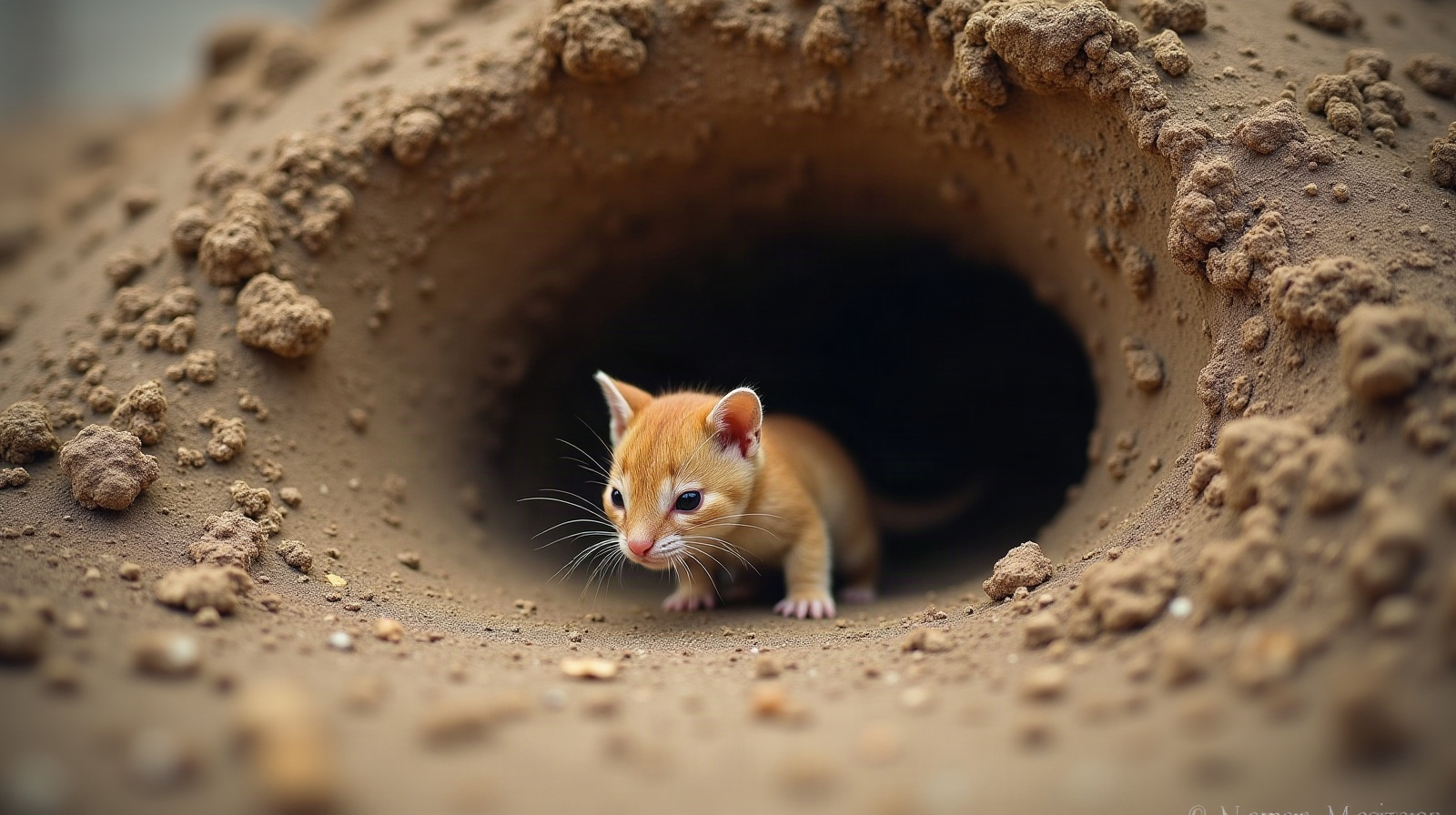
Somewhere under the dry grasses off Alessandro Boulevard, if you're very lucky and very still, you might catch a blur of tan fur and an improbably long tail vanishing into a burrow no wider than a garden hose. That's Dipodomys stephensi, the Stephens' kangaroo rat, a mouse-sized rodent that hops rather than scurries and rarely drinks water in its life. It is also, in a very real sense, one of the more influential land-use planners in Riverside County, even though it has never attended a City Council meeting.
On September 1, Moreno Valley's council will take up a municipal code update adopting the 2026 version of the Stephens' Kangaroo Rat habitat conservation mitigation fee, set by the Riverside County Habitat Conservation Agency. It sounds like a bureaucratic footnote wedged between a self-storage appeal and a library furniture contract. But the fee is actually a small case study in how ecological science gets translated into dollars per acre, and why a burrowing rodent nobody sees ends up shaping where warehouses, homes, and truck yards can be built.
The story starts in the late 1980s, when the kangaroo rat was listed as endangered under state and federal law. Its habitat, open grassland and coastal sage scrub on the flat valley floors of western Riverside County, happens to be exactly the kind of land that is cheapest and easiest to develop. That overlap created a conflict: build on that land and you destroy habitat piece by piece, a few acres here for a subdivision, a few there for a road. Ecologists have a name for what happens next: habitat fragmentation. Isolated patches of scrub, cut off from each other by pavement and rooftops, can no longer support a population large enough to breed reliably or survive a bad drought year. Biologists sometimes describe a “minimum viable population,” the smallest number of animals that can persist over time without slowly winking out. Chop habitat into small enough islands, and you fall below that number even if plenty of individual burrows still exist.
Rather than block development outright or let it proceed unchecked, Riverside County negotiated one of the country's earlier habitat conservation plans in the 1990s: developers could build on kangaroo rat habitat if they paid into a fund used to buy and manage large, connected reserve areas elsewhere in the valley. It's a trade of scattered acres for consolidated ones, based on a fairly intuitive piece of conservation biology: one thousand connected acres support a healthier, more resilient population than ten patches of a hundred acres each, because connected land allows animals to disperse, find mates, and recolonize after local die-offs. The fee is essentially a price tag on that difference.
Why does the number need updating almost every year? Land values shift, construction costs change, and the agency periodically reassesses how much acreage the fund actually needs to buy to hit its conservation targets. A fee set in 1995 dollars wouldn't purchase nearly enough scrubland in 2026. So the fee, oddly enough, functions like a small excise tax indexed to real estate prices, except its purpose isn't revenue for its own sake. It's meant to keep pace with the actual cost of assembling contiguous reserve land fast enough to offset the pace of building.
There's a broader ecological point tucked inside this rodent's story. The kangaroo rat is sometimes called an “umbrella species,” meaning that protecting enough intact habitat for it incidentally protects dozens of other plants and animals sharing the same scrub and grassland, from burrowing owls to native wildflowers that depend on the rat's digging to turn over soil. Its burrows also create microhabitats used by other small animals, and its foraging affects seed dispersal patterns across the grassland. In other words, this is not really a story about saving one rodent. It's a story about using one manageable, monitorable species as a proxy for the health of an entire ecosystem that's harder to measure directly.
Whether the fee is calibrated correctly, whether the reserve lands it funds actually sustain a stable population over decades, remains an open and studied question among regional ecologists, not a settled one. But the mechanism itself, translating fragmentation science into a line-item fee on a city council agenda, is a quietly elegant answer to an old problem: how do you make room for growth without pretending the ground underneath it is empty.